Introduction
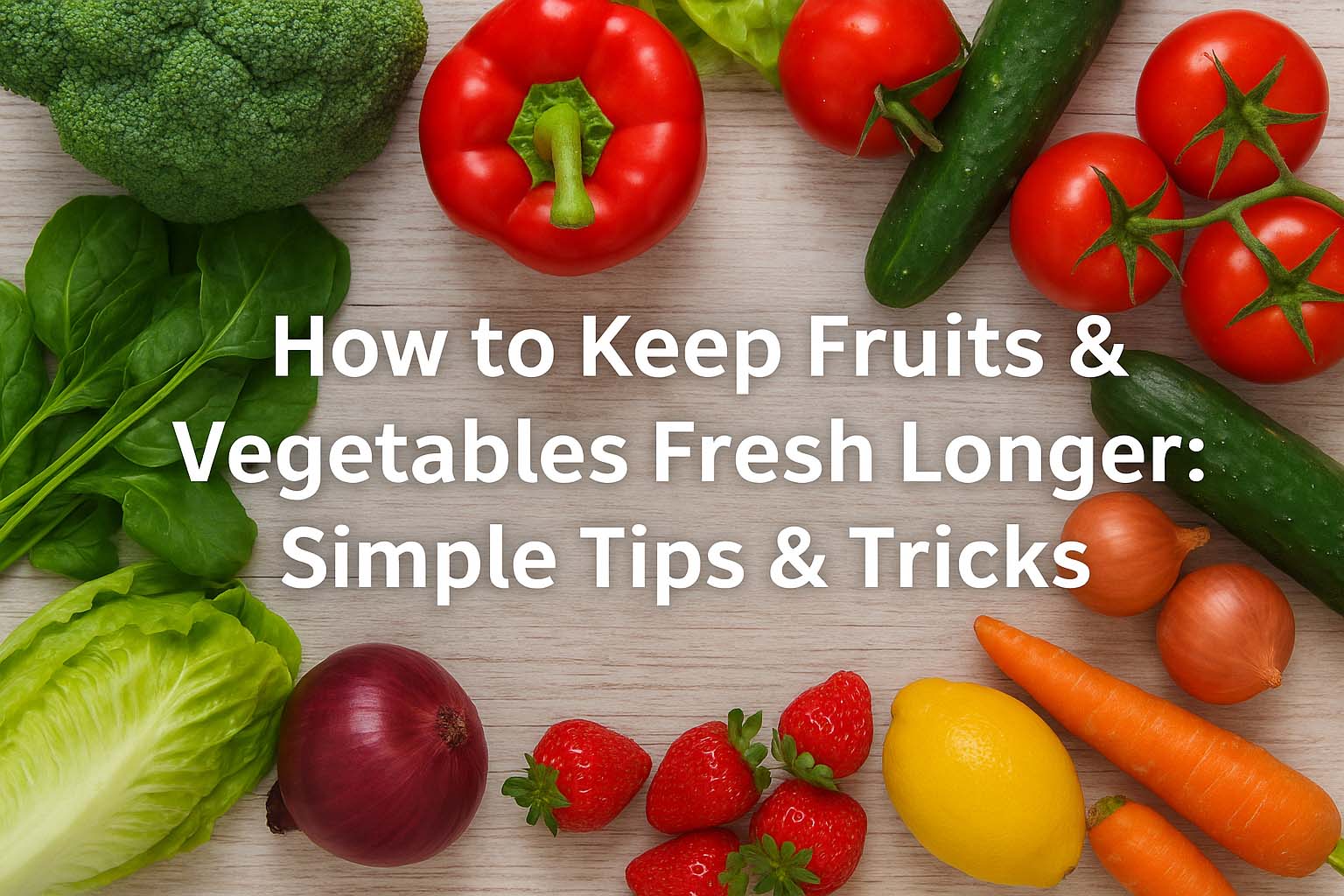
Learning how to keep fruits and vegetables fresh longer is one of the best ways to save money and reduce food waste in your kitchen. No one enjoys throwing away wilted lettuce or moldy strawberries. With the right storage habits and a few simple techniques, you can extend the shelf life of your produce, keep it flavorful, and minimize waste.
Why Fruits and Vegetables Spoil
Fruits and vegetables naturally lose freshness over time due to several factors:
- Moisture loss — causes wilting and shriveling.
- Ethylene gas — released by certain fruits, speeding up ripening in nearby produce.
- Microbial growth — leads to mold or soft spots.
- Improper storage conditions — excessive humidity or poor ventilation.
By controlling these factors, you can effectively keep your fruits and vegetables fresh longer and enjoy their natural taste and texture.
8 Simple Storage Tips to Keep Produce Fresh Longer
1.Store Ethylene-Producers Separately
Some fruits, such as apples, bananas, and avocados, release ethylene gas that accelerates the ripening of nearby vegetables.
Keep these fruits separate from ethylene-sensitive produce like cucumbers, greens, and berries.
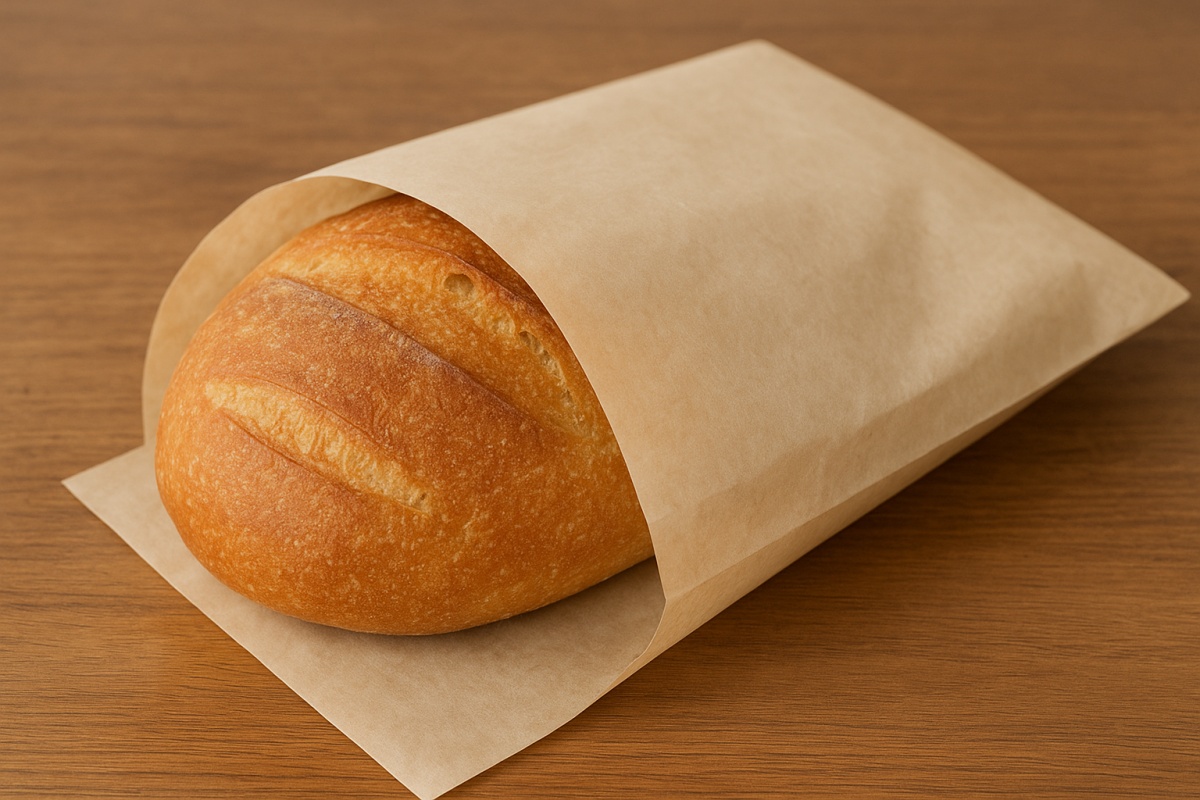
🟢 Pro Tip: Use paper bags or breathable produce bags to allow air circulation while reducing moisture buildup. This simple step helps keep fruits and vegetables fresh longer.
2.Use Refrigerator Drawers Correctly
Your refrigerator’s crisper drawers are designed to maintain the right humidity levels:
- High humidity drawer: ideal for leafy greens, herbs, and celery.
- Low humidity drawer: perfect for apples, pears, and other fruits that release ethylene.
Avoid overpacking the drawers — proper air circulation is essential to keeping fruits and vegetables fresh.
As recommended by the American Heart Association, storing leafy greens in a high-humidity drawer while keeping ethylene-producing fruits elsewhere helps preserve freshness for longer.
3.Don’t Wash Produce Until You’re Ready to Eat
Washing fruits and vegetables too early adds moisture, encouraging mold and bacterial growth.
Instead, wash them just before consumption or cooking.
For pre-washed greens, dry them thoroughly using a salad spinner or paper towels and store them in breathable bags lined with absorbent paper. This prevents sogginess and helps you keep vegetables fresh longer.
4.Use Paper Towels to Absorb Moisture
Line containers of leafy greens, herbs, or berries with paper towels to absorb excess moisture.
Keeping your produce dry prevents spoilage and preserves freshness.
💡 You can also find eco-friendly food wrapping paper in our Product List for better moisture control and sustainable storage solutions.
5.Freeze or Blanch for Long-Term Storage
If you have more vegetables than you can use, blanch them (boil briefly, then cool in ice water) before freezing.
This locks in color, texture, and nutrients.
For fruits, slice and freeze them on a tray before transferring to airtight bags — they’ll stay separate and fresh for months.
6.Keep Certain Vegetables in Water
Some vegetables stay crisp longer when stored in water:
- Asparagus: trim ends, stand in a jar with 1 inch of water, cover loosely, and refrigerate.
- Herbs: trim stems and store them like flowers — in a jar of water with a loose cover.
Replace the water every two days to maintain freshness and keep vegetables fresh longer.
7.Avoid the Fridge for Certain Produce
Not all produce belongs in the refrigerator. Here’s a quick guide:
| Produce | Best Storage | Notes |
|---|---|---|
| Tomatoes | Room temperature | Refrigeration dulls flavor |
| Bananas | Countertop | Keep away from other produce |
| Onions & Garlic | Cool, dry, dark place | Avoid storing near potatoes |
| Potatoes | Dry, ventilated box | Too much light causes sprouting |
| Citrus Fruits | Cool, dry area | Can last over a week outside fridge |
Knowing which foods belong where helps you keep fruits and vegetables fresh longer without overusing your fridge.
8.Regularly Check and Rotate Your Produce
Inspect your fruits and vegetables every few days.
Remove any items starting to spoil — one bad piece can affect the rest.
Use older produce first to avoid waste and maintain overall freshness.
📝 You can find more kitchen organization and storage advice in our Blog section.
Bonus: General Freshness Tips
- Keep refrigerator temperature between 3–5°C (37–41°F).
- Store produce in perforated or breathable bags, not airtight ones.
- Avoid stacking delicate fruits like berries or peaches.
- Wrap herbs loosely in paper towels for better airflow.
- Always dry washed produce completely before storing.
Following these habits will help you keep fruits and vegetables fresh longer and reduce unnecessary food waste.
Conclusion
You don’t need fancy gadgets to keep fruits and vegetables fresh longer — just a few smart habits and the right storage methods.
By separating ethylene producers, managing moisture, and using proper storage containers, you can enjoy crisp, flavorful, and nutritious produce every day.
👉 For eco-friendly food storage products and packaging paper that help preserve freshness naturally, explore our Product List.