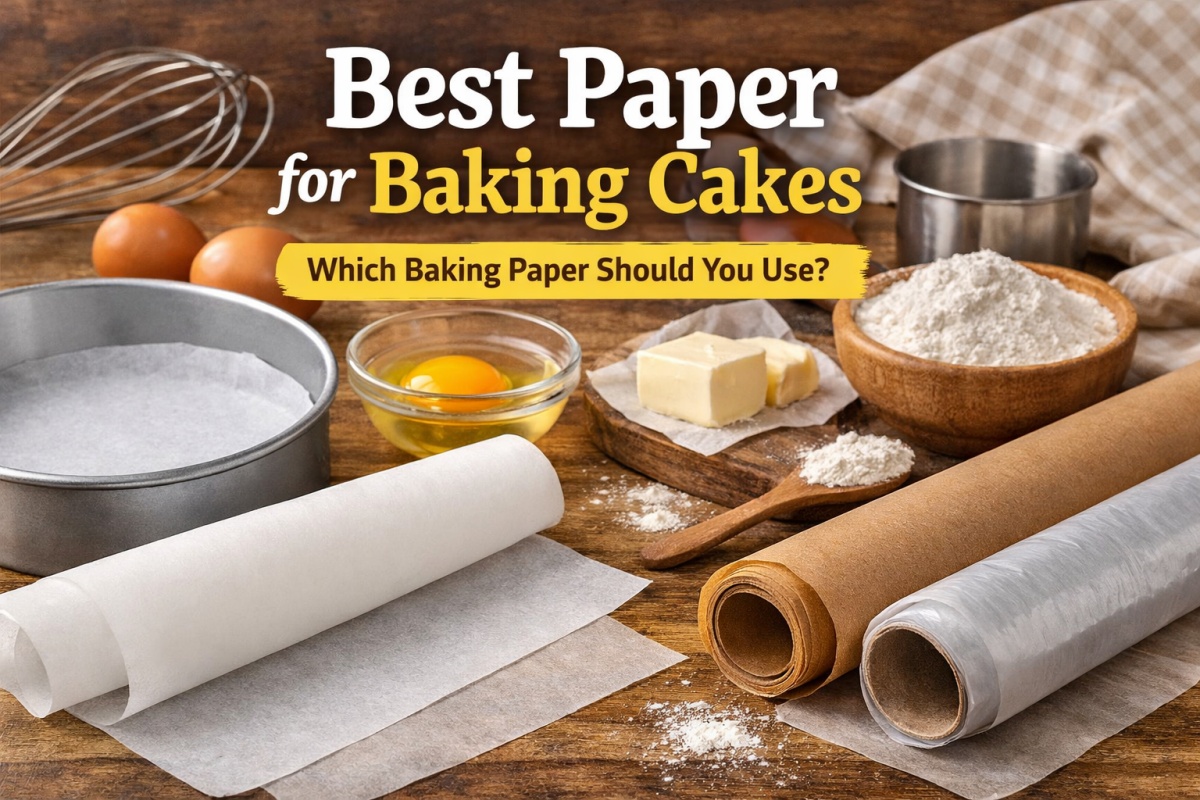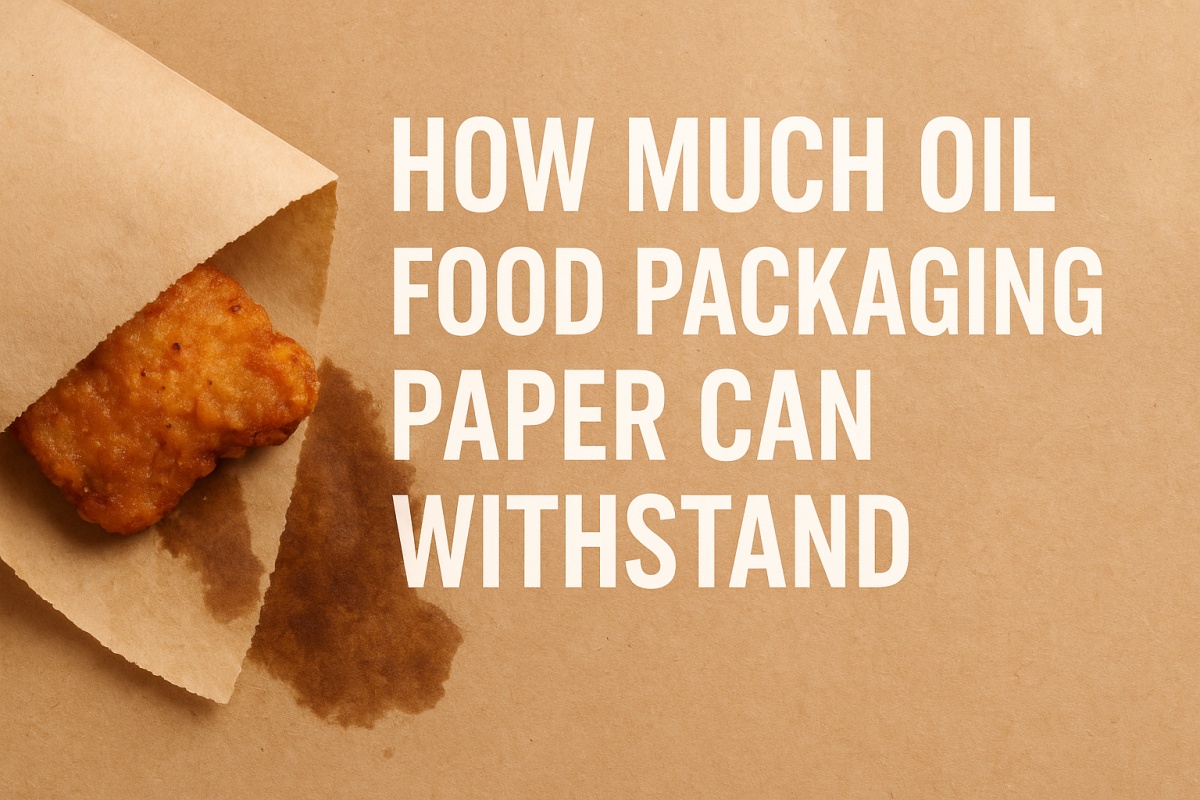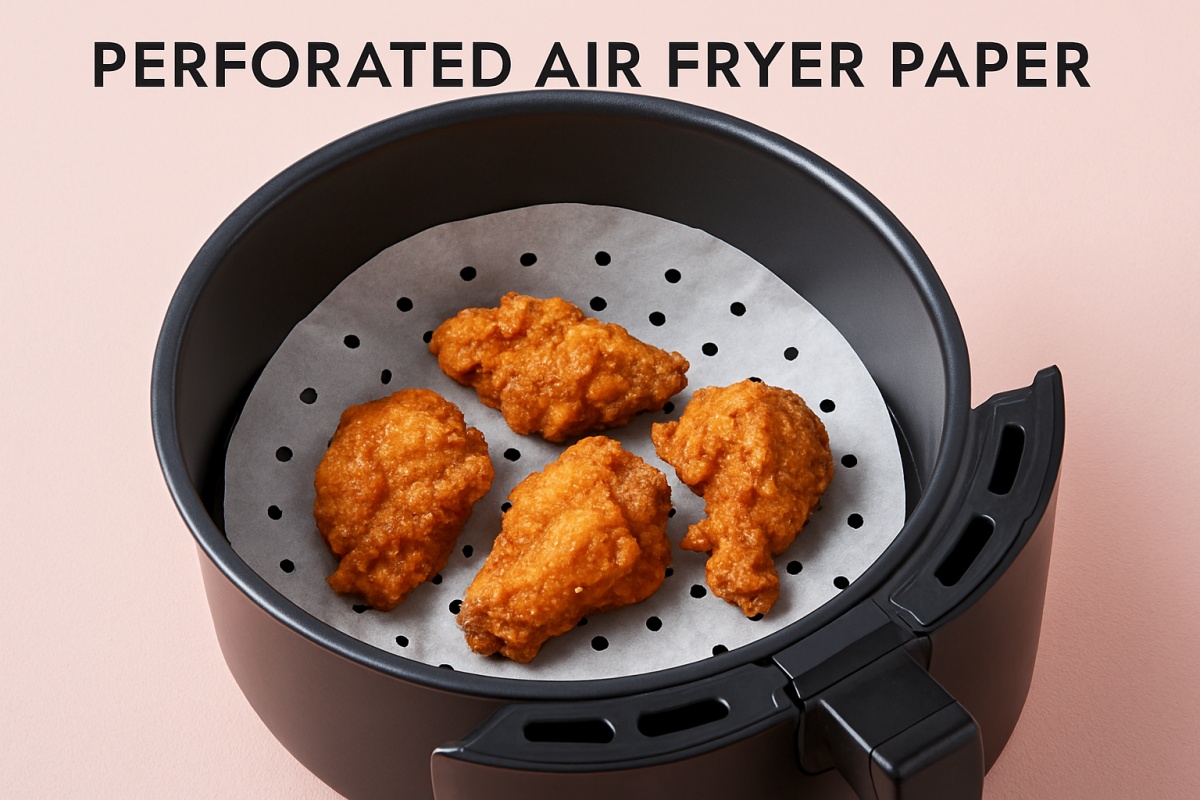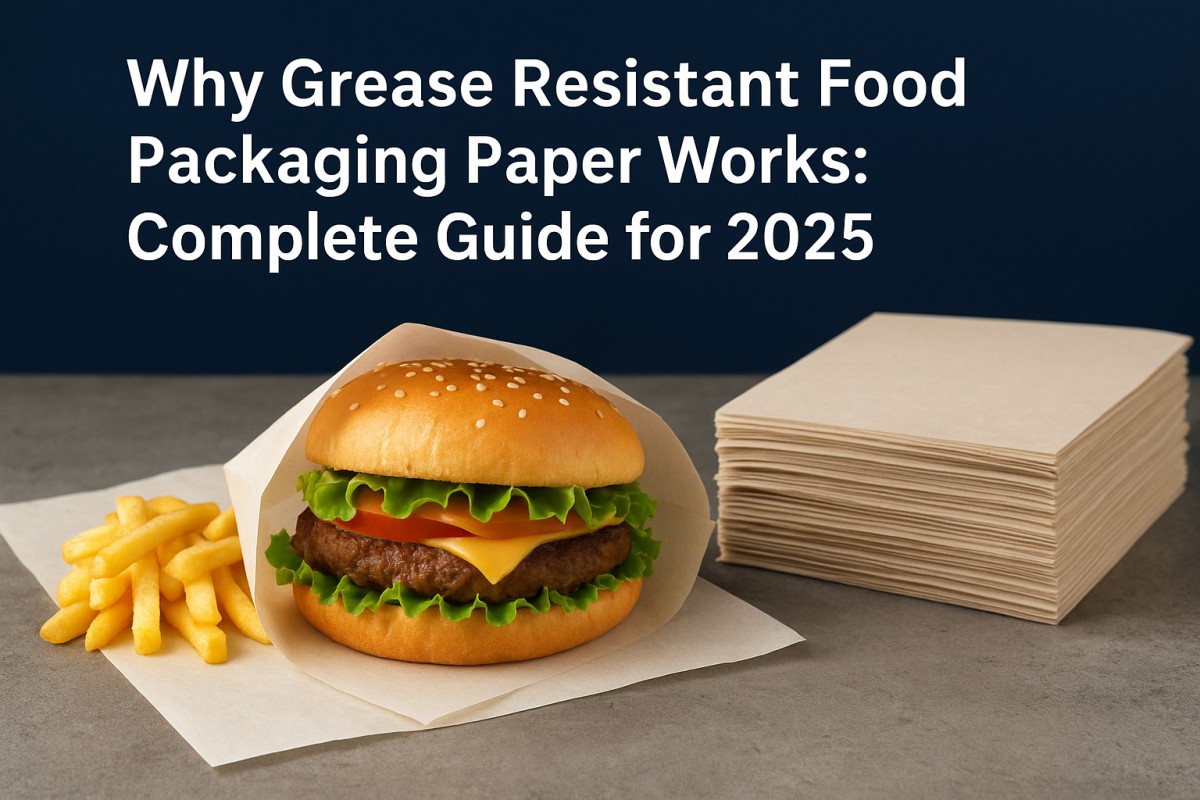
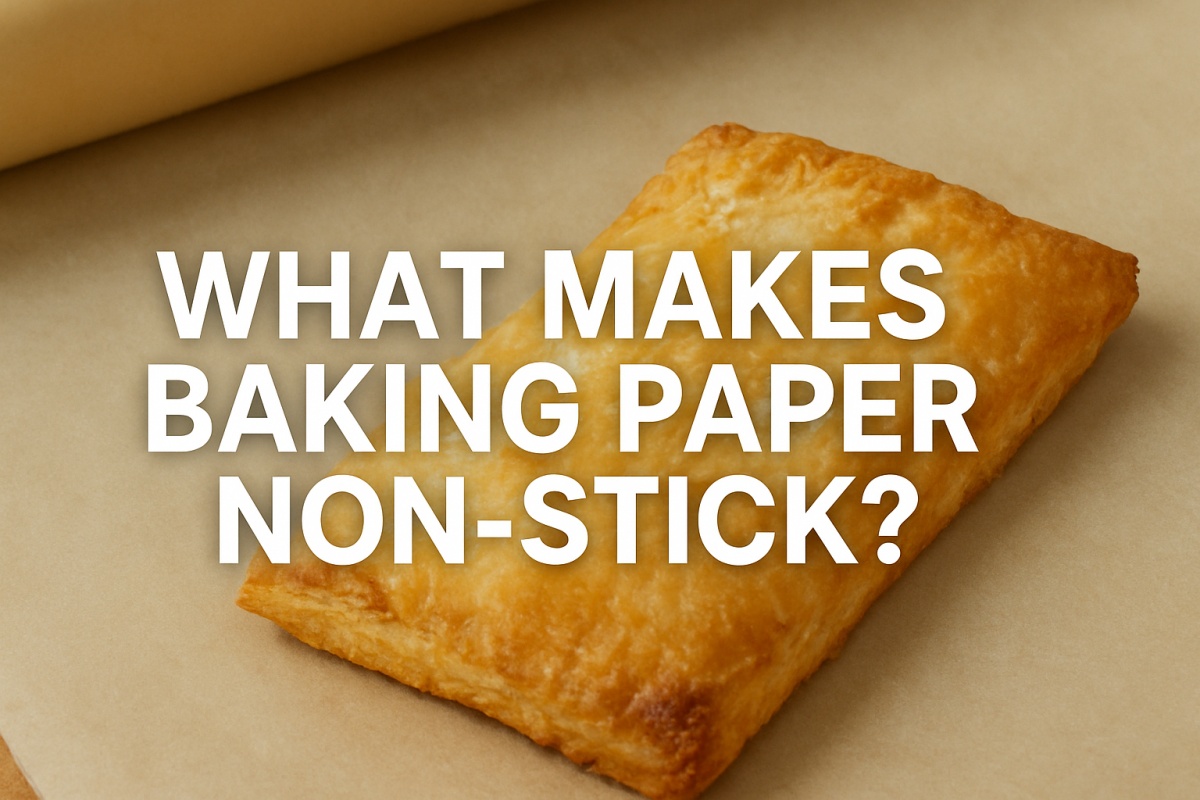
What makes baking paper non-stick is one of the most common questions from bakeries, food factories, and packaging businesses. Understanding this principle helps you choose higher-quality parchment paper, improve production efficiency, and reduce food waste. In this detailed guide, we explain the full science behind why baking paper prevents sticking—and how to select the best type for commercial use.
What Makes Baking Paper Non-Stick? The Core Principle Explained
The key answer to what makes baking paper non-stick lies in its food-grade silicone coating. Silicone has extremely low surface energy, which prevents food from bonding with the paper even under high temperatures. This makes it ideal for baking, steaming, air frying, food packaging, and industrial food production.
To better understand what makes baking paper non-stick, we must examine the materials and technologies behind it.
How Silicone Coating Creates the Non-Stick Effect
Silicone coating is the most important factor in what makes baking paper non-stick. Here’s how it works:
1.Low Surface Energy
Food molecules cannot bond to silicone because its surface energy is extremely low.
This prevents sticking of:
- dough
- cheese
- sugar
- chocolate
- caramel
- protein-based foods
2.Heat-Stable Molecular Structure
Silicone remains stable up to 220–260°C, ensuring the release effect stays consistent.
3.Cross-Linked Coating After Heat Curing
During manufacturing, the silicone is heat-cured, forming a durable network that ensures long-lasting non-stick performance.
For more scientific background on surface energy, see this authoritative resource from the U.S. National Library of Medicine:
https://pubmed.ncbi.nlm.nih.gov/
Paper Structure Also Plays a Role in What Makes Baking Paper Non-Stick
Beyond silicone, the base paper itself contributes to non-stick performance.
1.Smooth Super-Calendered Surface
Paper fibers are compressed tightly to remove roughness.
2.High Density & Low Porosity
Prevents food from penetrating into the paper.
3.Food-Safe Virgin Pulp
Ensures durability, heat resistance, and clean food release.
Types of Non-Stick Coatings and Their Differences
Understanding coating options also helps explain what makes baking paper non-stick.
1.Double-Sided Silicone (Best Choice)
Non-stick on both sides
Ideal for industrial use
Supports repeated baking cycles
2.Single-Sided Silicone
Works for basic baking tasks.
3.Quilon Paper (Not Recommended)
Chromium-based coating; environmentally outdated.
4.Wax Paper (Not Oven-Safe)
Useful for wrapping, not baking.
The U.S. FDA explains food-contact material compliance here:
https://www.fda.gov/food/food-ingredients-packaging/packaging-food-contact-substances-fcs
How High-Quality Baking Paper Is Manufactured
To fully understand what makes baking paper non-stick, it helps to see how it’s made.
- Selection of food-grade virgin pulp
- Paper formation
- Super-calendering for smoothness
- Silicone coating
- Heat curing
- Cutting into sheets / rolls / air fryer liners
Benefits of Non-Stick Baking Paper in Commercial Use
No need for oil or extra grease
Easy food release
Cleaner baking trays
Faster production turnover
Improved product appearance
Reduced food waste
Lower labor costs (no scrubbing trays)
How to Choose the Best Non-Stick Baking Paper for Your Business
If you care about what makes baking paper non-stick, these specifications matter:
1.Paper Weight
35gsm–45gsm for bakery use
50gsm+ for industrial strength
2.Certification、
Look for:
- FDA
- LFGB
- EU 1935/2004
3.Heat Resistance
At least 220°C, preferably 260°C for commercial ovens.
4.Custom Format
Depending on production needs:
- Precut baking sheets
- Rolls
- Air fryer liners
- Custom printing
Conclusion: What Makes Baking Paper Non-Stick? It’s All About the Coating + Paper Structure
In summary, what makes baking paper non-stick is the combination of:
- Silicone’s low surface energy
- Heat-cured release coating
- Smooth, dense base paper structure
- High heat and grease resistance
Businesses that choose high-quality silicone-coated parchment paper enjoy cleaner production, better food release, and higher efficiency. If you require OEM/ODM baking paper, customization, or bulk supply, our team offers professional solutions for industrial and commercial clients.