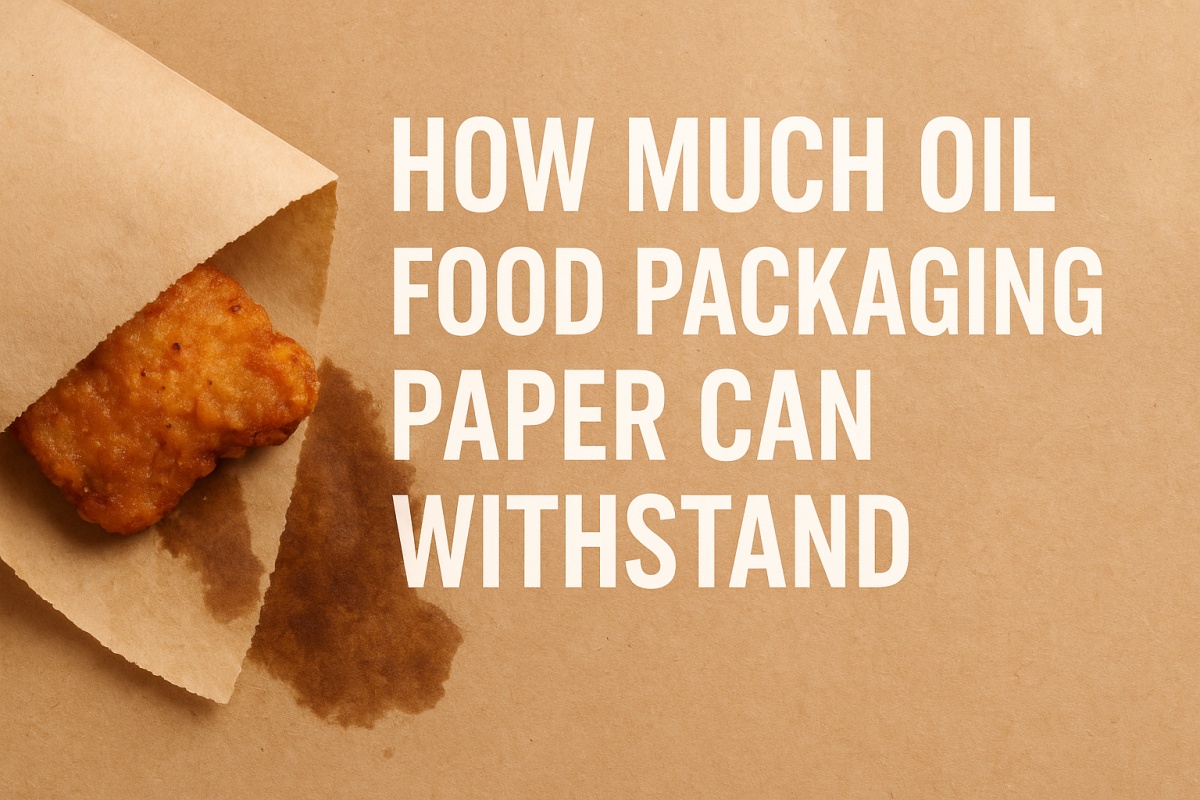
Food packaging paper plays a critical role in modern kitchens, bakeries, cafés, and food manufacturing lines. One of the most frequently asked questions is how much oil food packaging paper can withstand. Understanding the oil resistance of food packaging paper is essential for choosing the right material for fried food, grilled products, baked items, and takeaway service. This guide explains how oil resistance works, the factors that influence performance, and how to select the best paper for your operation.
Consumers today also expect food packaging paper to provide consistent performance regardless of the food type. This means that manufacturers need to balance oil resistance, heat tolerance, texture, and sustainability all at once. As a result, understanding how much oil food packaging paper can withstand is no longer just a technical requirement but an important purchasing decision for food-service brands aiming to deliver clean and reliable packaging in every order.
What Determines the Oil Resistance of Food Packaging Paper?
The oil resistance of food packaging paper depends on multiple technical variables:
1.Paper Density and Fiber Structure
Higher-density fibers provide better resistance because fewer pores allow grease to pass through.
2.Surface Treatment and Coating Technology
Food-grade silicone, biodegradable coating, or fluorine-free oil-repellent treatments significantly improve how much oil the paper can handle.
3.Basis Weight (gsm)
Paper in the range of 35–60 gsm generally offers adequate performance for everyday food-service applications. Heavier paper increases resistance.
4.Oil Resistance Rating (Kit Test)
Manufacturers use the Kit Test method (Level 1 to Level 12) to measure grease holdout. A higher Kit value means the paper can withstand more oil for longer periods.
How Much Oil Can Food Packaging Paper Typically Withstand?
In most commercial applications, high-quality greaseproof food packaging paper can withstand:
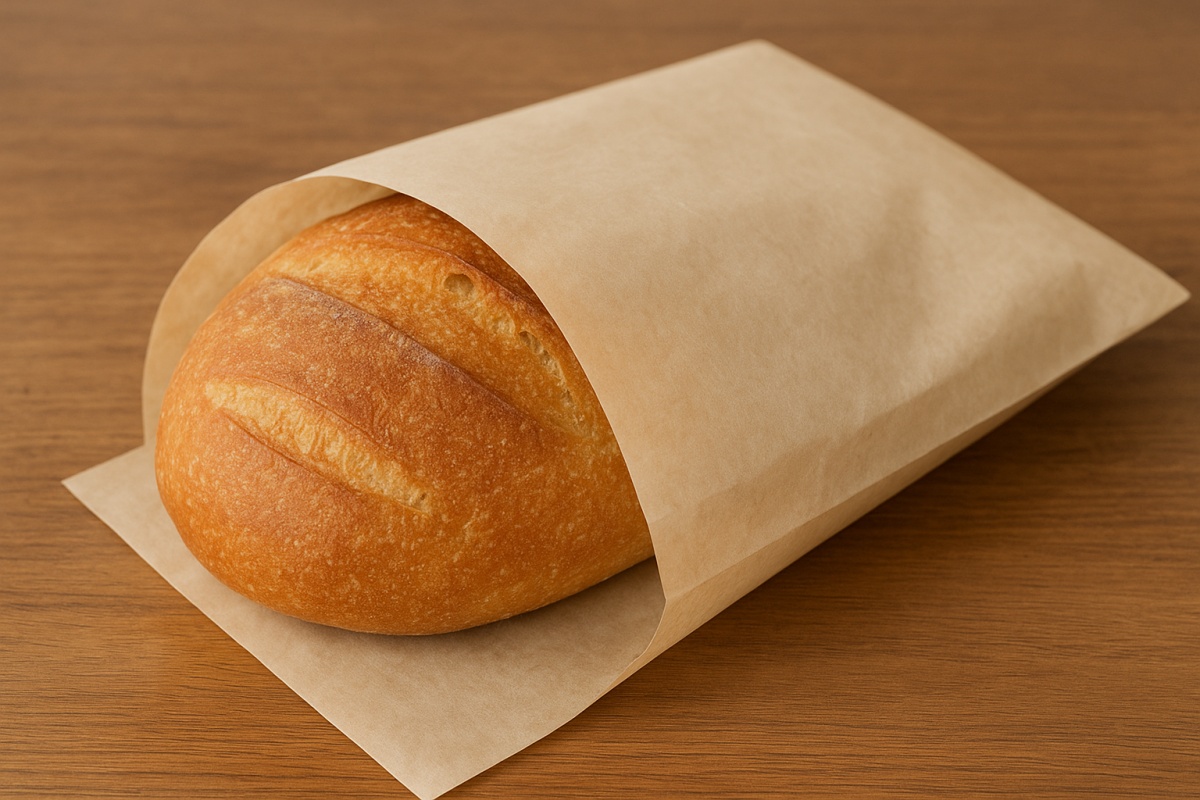
- Light grease (pastries, cookies, bread): Nearly 100 percent oil holdout with no penetration.
- Moderate grease (burgers, sandwiches, wraps): 30–60 minutes of non-penetration under normal serving conditions.
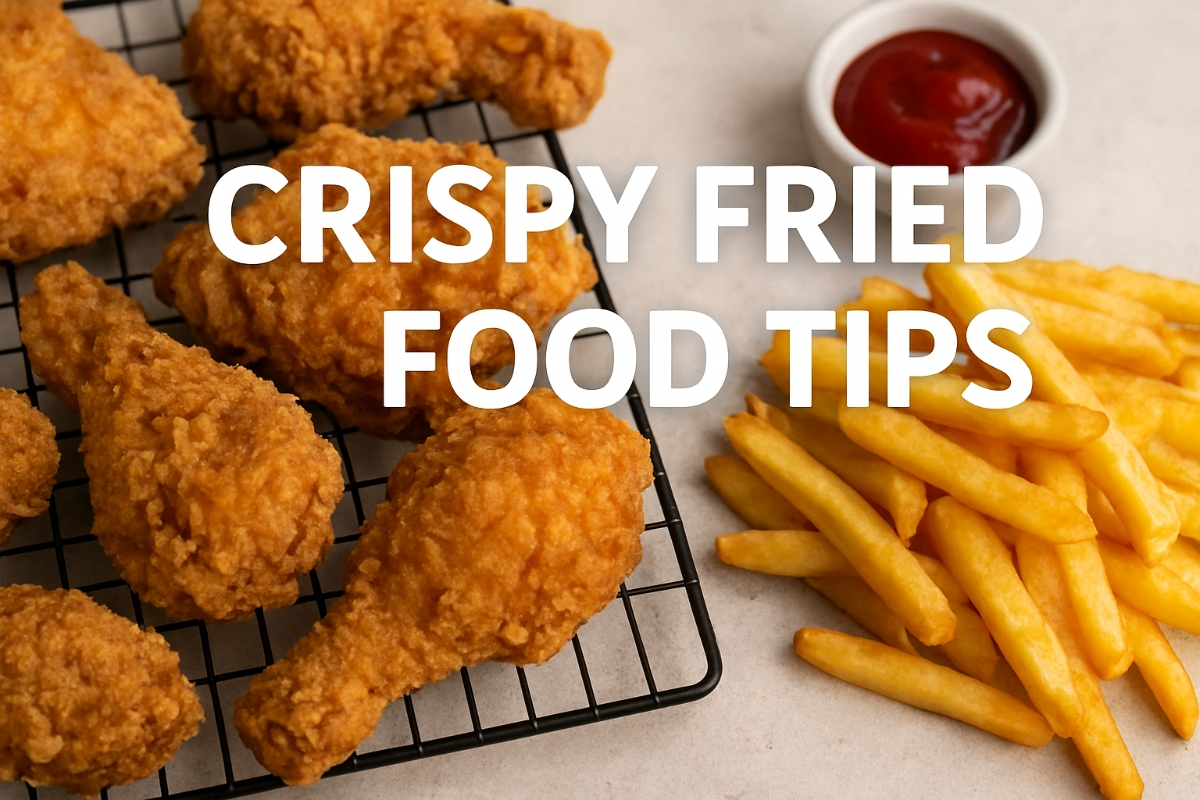
- High grease (fried chicken, French fries, grilled meat): Up to several hours depending on the Kit rating and coating.
Why Oil Resistance Matters for Food Safety and Quality
Oil-proof performance impacts more than appearance. Poor resistance leads to packaging deformation, leakage, contamination risk, and reduced shelf life. Strong oil resistance provides a clean presentation, prevents product sogginess, and protects your brand reputation. It also supports compliance with international food-contact safety standards.
How to Test Whether Your Paper Can Handle Oil
Professional testing labs and manufacturers rely on standardized methods such as:
- TAPPI T559 (Grease Resistance Test)
- ASTM Kit Test for oil and solvent resistance
- Cobb Value testing for water penetration
These tests provide measurable benchmarks for how much oil food packaging paper can withstand under controlled conditions, helping businesses compare materials objectively before mass production.
Choosing the Right Paper for Different Food Types
1.High-Grease Fried Foods
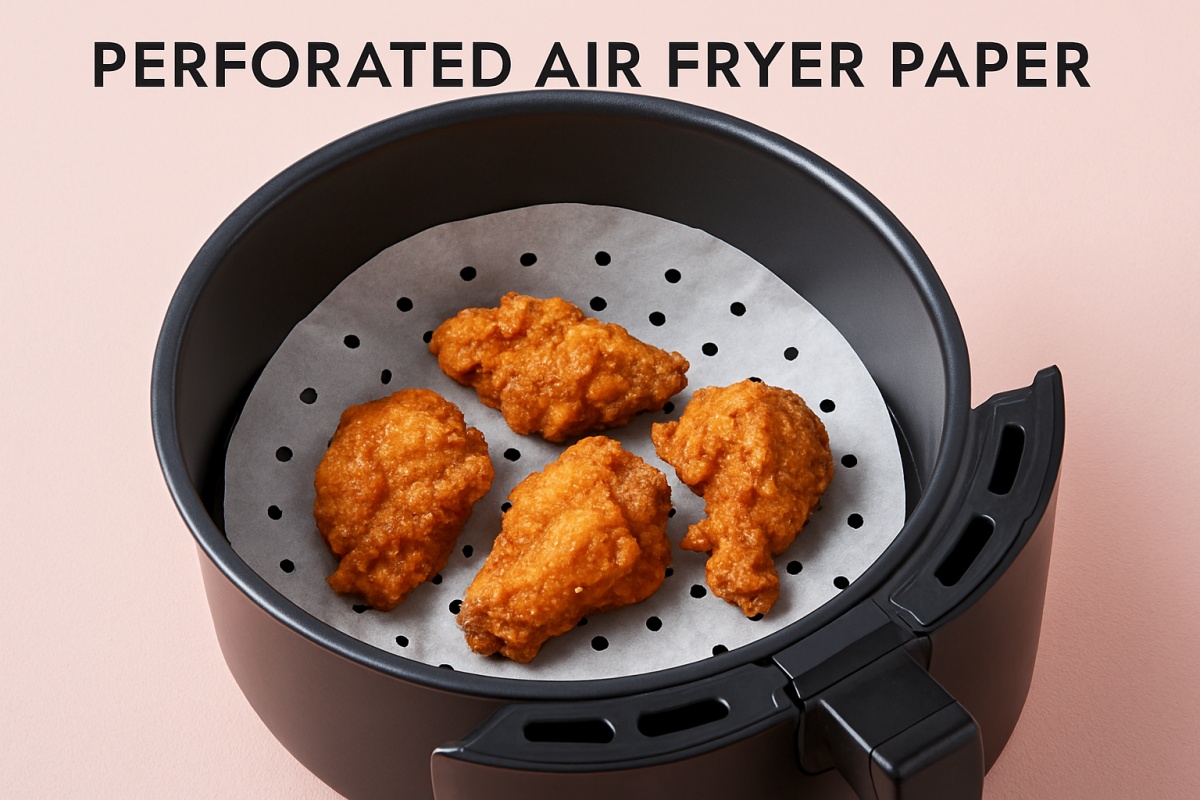
Choose greaseproof paper with silicone coating or fluorine-free oil-resistant treatment (Kit 9–12).
2.Burgers, Wraps, and Takeaway
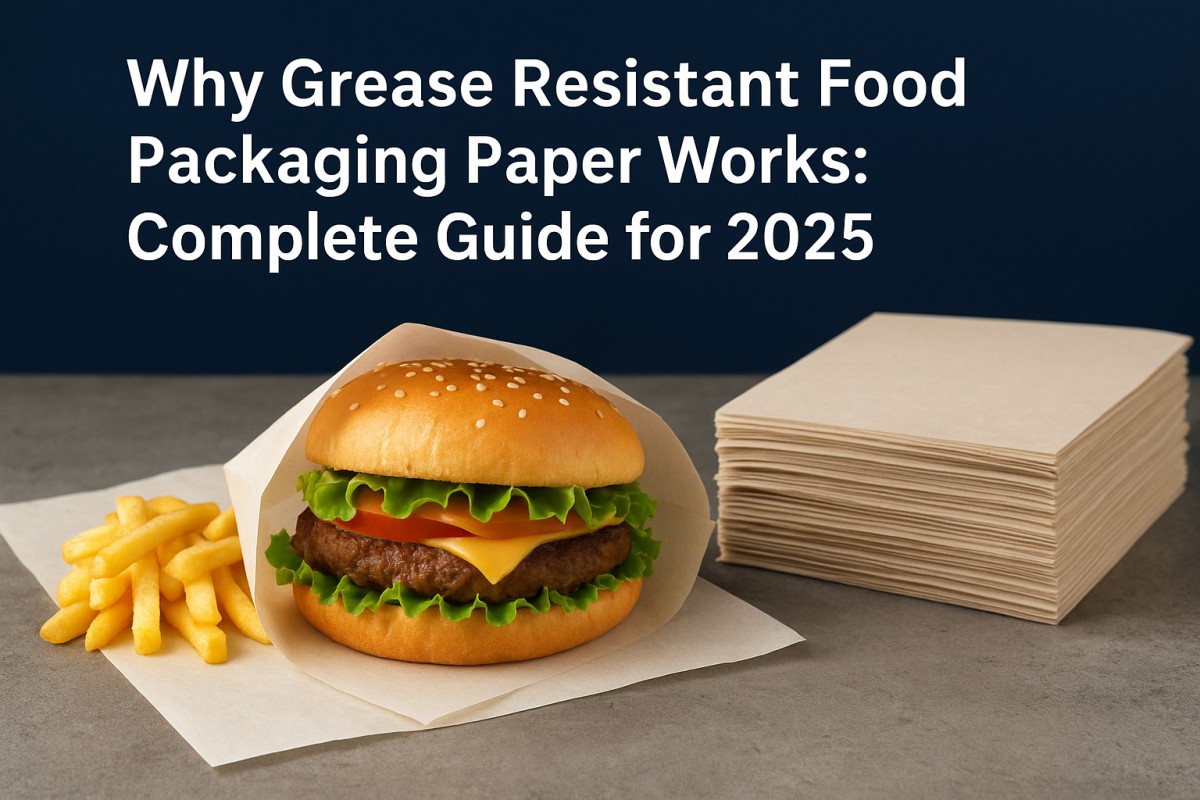
Wax paper or mid-range greaseproof paper (Kit 6–9) performs well for handheld foods.
3.Baked Goods and Pastries
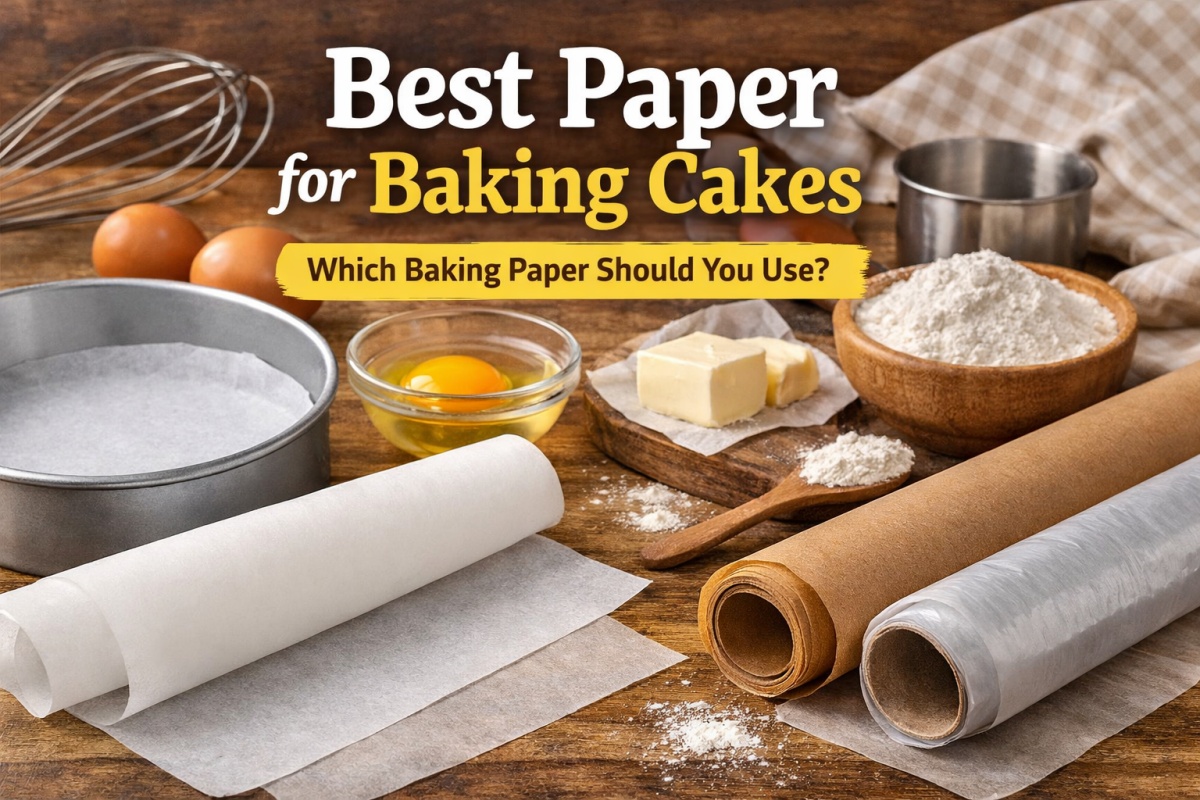
Standard greaseproof paper without coating is often sufficient due to lower oil emission.
Environmental Considerations for Oil-Resistant Food Paper
As sustainability becomes a core purchasing criterion, food manufacturers are moving toward fluorine-free, PFAS-free, and biodegradable coatings. These materials maintain strong oil resistance while reducing environmental impact. They also meet emerging regulatory requirements in major markets, making them a safer long-term choice without compromising performance.
Recommended External Reference for Oil-Resistance Safety
European Commission: Food Contact Materials
https://food.ec.europa.eu/food-safety/chemical-safety/food-contact-materials_en
Conclusion: Choosing the Right Oil-Resistant Paper Protects Your Brand
Understanding how much oil food packaging paper can withstand enables food businesses to ensure product quality, hygiene, safety, and customer satisfaction. By selecting paper with the appropriate coating, gsm, fiber density, and Kit rating, you can deliver cleaner packaging, protect your food products, and maintain compliance across global markets. High-performance materials directly contribute to better operational efficiency and a stronger consumer experience.