Introduction
Few things smell better than freshly baked bread — warm, soft, and full of flavor. But that perfect loaf can quickly become dry and hard if not stored properly. Many home bakers and food lovers wonder how to keep bread soft for more than a day or two. Luckily, with the right techniques and smart storage habits, you can keep bread soft and fresh for longer, maintaining its fluffy texture and delicious aroma.
1.Why Bread Becomes Hard
Bread turns hard because of a process known as starch retrogradation. After baking, the moisture inside the bread begins to migrate outward and evaporate, while starch molecules crystallize, making the crumb firm and dry. Environmental factors — like air exposure, humidity, and temperature — can speed up this process.
👉 In simple terms, the more your bread is exposed to air, the faster it loses its softness.
2.Store Bread in the Right Container
To keep bread soft, proper storage is essential. Avoid leaving bread exposed to open air, which accelerates drying. Instead, try the following options:
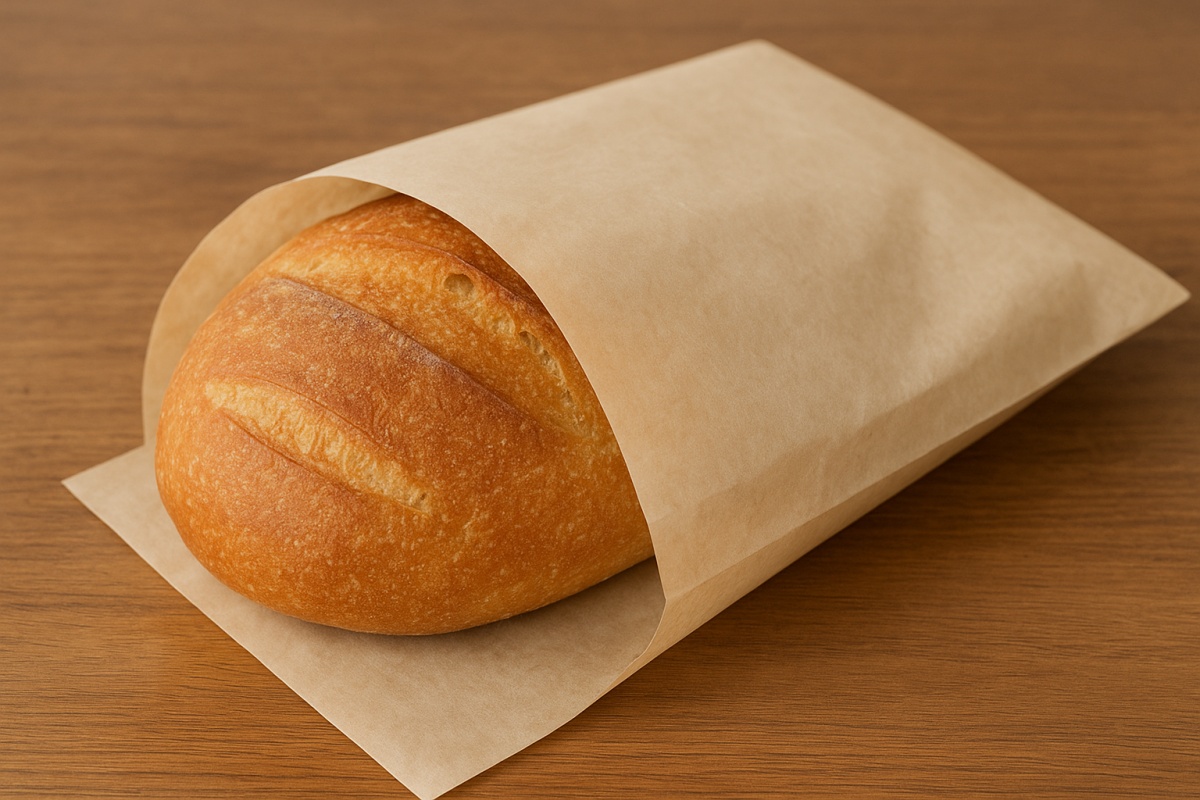
- Linen or cloth bread bags: These allow a small amount of airflow, preventing sogginess while keeping the inside soft.
- A bread box: This old-fashioned tool maintains a perfect balance of humidity and ventilation.
- Avoid the refrigerator: Many assume refrigeration helps, but it actually speeds up the staling process.
💡 Pro tip: Always let your bread cool completely before storing. Warm bread releases steam, which can cause excess moisture and mold growth later.
For professional baking-industry advice on balancing airflow and moisture when storing bread, see Gold Medal Bakery’s guide to proper bread storage.
3.Freeze Bread to Keep It Fresh Longer
Freezing is one of the most effective ways to keep bread soft and fresh for weeks.
- Slice the bread before freezing, so you can thaw only what you need.
- Wrap slices in plastic wrap or airtight freezer bags to lock in moisture.
- Reheat frozen slices directly in a toaster or oven — they’ll taste just-baked again!
If you often bake large batches, this method prevents waste and keeps each loaf as soft as the day it was made.
🧁 Tip: If you enjoy baking, check out our Simple Kitchen Tips to Save Cooking Time for more helpful storage and prep ideas.
4.Add Natural Moisture to the Storage Container
Here’s a classic kitchen hack — place a slice of apple or celery in the same container as your bread. These natural ingredients release gentle moisture that helps prevent the loaf from drying out. Just remember to replace them every day or two to avoid spoilage.
Alternatively, a slightly damp (not wet) paper towel placed inside the container can have the same effect.
5.Reheat Bread the Right Way
Even if your bread has started to get hard, it’s not too late to bring it back to life. Proper reheating can help restore moisture and softness:
- Oven method: Wrap the bread in a damp towel and heat at 150°C (300°F) for about 10 minutes.
- Microwave method: Wrap a slice in a damp paper towel and heat for 10–15 seconds.
The key is to reintroduce moisture gently — this makes the texture soft again without making it soggy.
6.Keep Bread Away from Heat and Sunlight
Direct sunlight or high temperatures will cause your bread to lose moisture quickly. Always store bread in a cool, dark, and dry place such as a pantry or cupboard. Avoid leaving it near the oven or in humid areas of the kitchen.
If your region is particularly humid, use airtight storage but check daily for any signs of condensation.
7.Use the Right Ingredients When Baking
If you bake at home, the recipe itself can determine how long your bread stays soft. Here are a few ingredient tips to help your bread retain moisture naturally:
- Add butter, oil, or milk to the dough for lasting softness.
- Use honey or sugar to help hold moisture and delay staling.
- Avoid overbaking — remove the bread from the oven once it’s golden brown and sounds hollow when tapped.
These small adjustments can make a big difference in how long your homemade bread stays fresh.
8.Refresh Day-Old Bread Creatively
Even if your loaf has become slightly dry, you can repurpose it instead of throwing it away. Try making French toast, bread pudding, or homemade breadcrumbs. These dishes not only reduce waste but also let you enjoy your bread in new and delicious ways.
🍞 Related: Read our How to Make Fried Food Extra Crispy guide for more kitchen texture tricks.
Conclusion
Learning how to keep bread soft is all about balance — the right storage, temperature, and moisture level. Avoid refrigeration, use breathable containers, and try natural moisture tricks to make your bread last longer. With just a few easy habits, you can keep bread soft and fresh for days, ensuring that every slice tastes as good as the first.